
Category: Health and Wellness

The Dirty Dozen: Why Women Over 40 Need to Pay Extra Attention

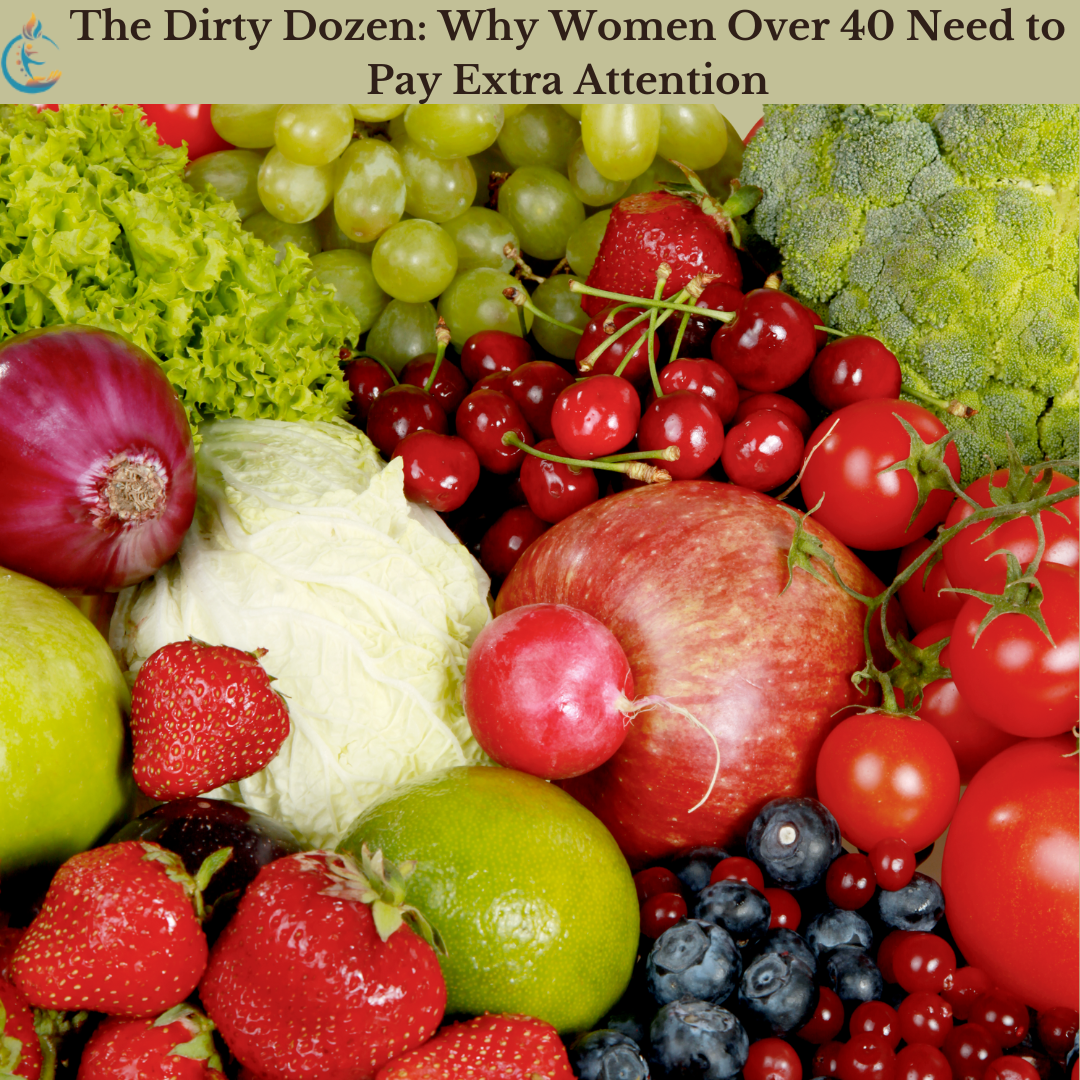
Every spring, the Environmental Working Group releases its famous “Dirty Dozen” list—the twelve fruits and vegetables with the highest pesticide residues. While this information matters for everyone, women over 40 face unique vulnerabilities that make understanding these exposures particularly crucial. As our bodies navigate hormonal shifts and metabolic changes, the impact of pesticide exposure takes on new significance.

Understanding the Dirty Dozen

The 2024 Dirty Dozen list includes familiar favorites: strawberries, spinach, peaches, apples, grapes, bell peppers, cherries, pears, tomatoes, celery, potatoes, and nectarines. These foods consistently show high levels of pesticide residues even after washing and, in some cases, peeling.

But here’s what the headlines don’t always mention: the testing finds residues from multiple pesticides on a single piece of produce. One strawberry sample contained residues from 23 different pesticides. This chemical cocktail effect raises concerns about cumulative exposure that go beyond any single pesticide’s safety profile.

Why 40+ Changes Everything

As women enter their forties, several biological shifts make pesticide exposure more concerning:

Hormonal transitions: Perimenopause begins for many women in their forties, bringing fluctuating estrogen and progesterone levels. Many pesticides act as endocrine disruptors, potentially intensifying hormonal imbalances. Organophosphates and organochlorines can mimic or block natural hormones, possibly worsening symptoms like hot flashes, mood swings, and irregular cycles.

Slower detoxification: Our liver’s detoxification capacity naturally declines with age. The same pesticide exposure that our bodies might have efficiently processed at 25 becomes a greater burden at 45. This slower clearance means chemicals linger longer, potentially causing more damage.

Bone health concerns: Post-40, women begin losing bone density more rapidly. Some pesticides, particularly organophosphates, have been linked to decreased bone mineral density. For women already facing increased osteoporosis risk, this additional factor deserves attention.

Weight management challenges: Metabolism naturally slows with age, and many women over 40 struggle with weight gain. Certain pesticides, dubbed “obesogens,” may disrupt metabolic function and promote fat storage. They can interfere with leptin and insulin signaling, making weight management even more challenging during midlife.

The Hidden Impact on Women’s Health

Research reveals concerning connections between pesticide exposure and health issues that disproportionately affect women over 40:

Breast cancer risk: Some pesticides act as xenoestrogens—foreign compounds that mimic estrogen in the body. For women over 40, who already face increasing breast cancer risk, additional estrogenic exposure from pesticides may compound concerns. Studies have found higher rates of breast cancer in agricultural areas with heavy pesticide use.

Thyroid disruption: The thyroid, crucial for metabolism and energy, becomes more vulnerable with age. Many pesticides can interfere with thyroid function, potentially worsening fatigue, brain fog, and weight gain—symptoms many women already battle during midlife.

Cognitive health: Women face higher Alzheimer’s risk than men, and emerging research suggests chronic pesticide exposure may contribute to cognitive decline. Organophosphate pesticides, originally developed as nerve agents, can affect neurotransmitter function even at low doses.

Autoimmune conditions: Women develop autoimmune conditions at much higher rates than men, often emerging or worsening after 40. Some pesticides may trigger or exacerbate autoimmune responses by disrupting immune system regulation.

Beyond the Dirty Dozen: The Broader Picture

While the Dirty Dozen gets attention, pesticide exposure extends beyond produce. Women over 40 should consider:

Wine and coffee: Two beverages many midlife women enjoy regularly. Conventional grapes for wine and coffee beans are often heavily sprayed. Choosing organic versions of your daily staples can significantly reduce exposure.

Grains and legumes: Glyphosate, commonly used on wheat, oats, and legumes as a desiccant before harvest, has been classified as a probable carcinogen. For women increasing whole grain intake for heart health, choosing organic becomes more important.

Dairy products: Pesticides accumulate in fat tissue, making conventional dairy a significant source of exposure. For women concerned about bone health who consume dairy regularly, organic options offer the same nutritional benefits without the chemical load.

Practical Strategies for Protection

Living pesticide-free isn’t realistic for most budgets, but smart choices can dramatically reduce exposure:

Prioritize organic purchases: Focus organic spending on the Dirty Dozen items you eat most frequently. If you eat strawberries daily but peaches rarely, prioritize accordingly.

Embrace the Clean Fifteen: These conventionally grown produce items show minimal pesticide residues: avocados, sweet corn, pineapple, onions, papaya, frozen sweet peas, asparagus, honeydew melon, kiwi, cabbage, mushrooms, mangoes, sweet potatoes, watermelon, and carrots.

Wash wisely: While washing doesn’t remove all pesticides, it helps. Soak produce in a baking soda solution (1 teaspoon per 2 cups of water) for 12-15 minutes, then rinse. This method removes more residues than water alone.

Peel when possible: Though you’ll lose some nutrients, peeling conventionally grown apples, peaches, and pears removes significant pesticide residues concentrated in the skin.

Grow your own: Even a small herb garden or container tomatoes give you pesticide-free produce. Gardening also provides stress relief and exercise—bonus benefits for midlife health.

Supporting Your Body’s Detoxification

For women over 40, supporting natural detoxification becomes crucial:

Increase fiber intake: Fiber binds to toxins in the digestive tract, helping eliminate them. Aim for 25-30 grams daily from varied sources.

Stay hydrated: Water helps flush toxins through kidneys and supports liver function. Add lemon for extra detoxification support.

Eat cruciferous vegetables: Broccoli, cauliflower, and Brussels sprouts contain compounds that support liver detoxification pathways. Choose organic when possible.

Sweat regularly: Whether through exercise or sauna use, sweating helps eliminate toxins through skin. This becomes especially important as other detoxification pathways slow with age.

Consider targeted supplements: Milk thistle, NAC (N-acetylcysteine), and glutathione support liver function. Consult with a healthcare provider familiar with environmental medicine.

The Bigger Picture for Midlife Women

Reducing pesticide exposure is just one piece of supporting health through midlife transitions. Combined with hormone balance support, stress management, and appropriate exercise, minimizing toxic exposures can help women navigate their forties and beyond with greater vitality.

Remember that small changes accumulate. You don’t need to overhaul your entire diet overnight. Start with the produce you eat most frequently, gradually expanding your organic choices as budget allows.

Empowerment Through Information

Knowledge truly is power when it comes to protecting your health. Understanding how pesticide exposure uniquely affects women over 40 empowers better choices. Whether you’re managing perimenopausal symptoms, supporting bone health, or simply aiming to age vibrantly, reducing pesticide exposure is a controllable factor in your health equation.

The conversation about pesticides and women’s health continues evolving as research reveals new connections. Stay informed, but don’t let fear overshadow the joy of nourishing your body with plenty of fruits and vegetables. With smart choices and practical strategies, you can minimize risks while maximizing the benefits of produce-rich eating.

Your forties and beyond can be a time of renewed health focus and self-care. By understanding and addressing environmental factors like pesticide exposure, you’re investing in not just immediate wellbeing but long-term vitality. The choices you make today shape your health tomorrow—choose wisely, but choose without fear.
The Midlife Chemical Crisis: Why Everyday Products Hit Different After 40

The Midlife Chemical Crisis: Why Everyday Products Hit Different After 40

The moment I turned 40, it felt like my body changed the rules overnight. Suddenly, the same deodorant I’d used for years gave me rashes. My favorite perfume triggered headaches. That “luxurious” anti-aging cream? It made my hormonal acne worse, not better. If this sounds familiar, you’re not imagining things. Your body’s relationship with chemicals fundamentally changes during perimenopause and beyond—and those “safe” products on your bathroom shelf might be making your midlife symptoms worse.

Why 40 Changes Everything About Chemical Exposure

Here’s what no one tells you about getting older: your body’s ability to process and eliminate toxins naturally declines. Just as your metabolism slows and hangovers last longer, your liver’s detoxification pathways become less efficient. Those chemicals you’ve been exposed to for decades? They’re accumulating faster than your body can clear them.

Add fluctuating hormones to the mix, and you’ve got a perfect storm. Many common household chemicals are endocrine disruptors—they mess with your hormones. When you’re already riding the perimenopause roller coaster, the last thing you need is your dish soap adding to the chaos.

The Bathroom: Where Midlife Meets Chemical Overload

Let’s start where most of us begin our day—the bathroom. By the time you’ve showered, applied skincare, and done your makeup, you’ve likely exposed yourself to over 200 chemicals. For women over 40, certain products deserve special scrutiny:

Anti-aging skincare: The cruel irony—many anti-aging products contain hormone-disrupting chemicals that can actually accelerate aging. Retinol creams often include parabens and phthalates that may worsen hormonal imbalances, increase hot flashes, and trigger the very skin issues you’re trying to fix.

What to use instead: Look for products with bakuchiol (a natural retinol alternative), vitamin C, and peptides. Brands that cater to hormonal skin often avoid endocrine disruptors. My game-changer? Simple rosehip oil and vitamin C serum—fewer ingredients, better results.

Antiperspirants: Those aluminum compounds that block sweat? They’re controversial for good reason. Some research suggests links to breast cancer and Alzheimer’s—two conditions women face at higher rates. Plus, many women report increased hot flashes and night sweats when using aluminum-based products.

What to use instead: Natural deodorants have come a long way. Look for ones with magnesium or arrowroot powder. Yes, there’s a detox period (about 2-3 weeks), but many women report fewer hot flashes once they switch. Pro tip: apply at night for better effectiveness.

Hormone-laced cosmetics: Your foundation might contain xenoestrogens—chemicals that mimic estrogen. When you’re dealing with estrogen dominance or fluctuations, adding more fake estrogen is like pouring gasoline on a hormonal fire.

What to use instead: Mineral makeup or tinted moisturizers with simple ingredients. Many women over 40 find their skin actually improves with less coverage and fewer chemicals. Look for brands that specifically state “hormone-safe” or “endocrine-disruptor free.”

The Bedroom: Where Recovery Gets Disrupted

Your bedroom should be a sanctuary for the restorative sleep that becomes increasingly elusive after 40. But many bedroom products sabotage your rest:

Conventional mattresses: Off-gas flame retardants and other chemicals that can disrupt thyroid function—crucial for metabolism and energy. Many women notice better sleep and fewer night sweats after switching mattresses.

What to use instead: Organic or natural latex mattresses. Can’t afford a new mattress? An organic mattress topper or encasement can help. At minimum, air out your bedroom daily.

Scented laundry products: You spend 8 hours with your face on that pillowcase. Fabric softeners and scented detergents leave residues that can trigger hot flashes, headaches, and skin irritation. The fake fragrances often contain phthalates that mess with hormones.

What to use instead: Fragrance-free detergents and wool dryer balls. Add a few drops of lavender essential oil to the dryer balls if you miss the scent. Many women report better sleep and fewer night sweats after making this switch.

Air fresheners and candles: Those “Clean Linen” plugins? They’re releasing VOCs (volatile organic compounds) that can worsen brain fog and trigger migraines—both common perimenopause complaints.

What to use instead: Essential oil diffusers, beeswax candles, or simply open windows. Plants like snake plants and peace lilies naturally purify air. Addressing odor sources (hello, teenager’s room) works better than masking them.

The Kitchen: Where Hormones Meet Heat

The kitchen poses unique risks for women over 40, especially as we often cook more to support healthy aging:

Non-stick cookware: Those PFAS chemicals in traditional non-stick pans? They accumulate in your body and have been linked to thyroid disease, high cholesterol, and reduced vaccine response—all bigger concerns as we age.

What to use instead: Cast iron (bonus: adds iron to your diet), stainless steel, or ceramic-coated pans. Yes, you’ll need more oil, but healthy fats support hormone production anyway.

Plastic containers: BPA and phthalates leach more readily when plastic is heated or worn. These chemicals can worsen weight gain, insulin resistance, and hormonal imbalances—issues many women already struggle with post-40.

What to use instead: Glass containers for everything. They last longer, don’t retain odors, and won’t mess with your hormones. Silicone bags work for on-the-go. Never microwave plastic—even “microwave-safe” types.

Cleaning products: All-purpose cleaners often contain hormone disruptors and respiratory irritants. Many women develop chemical sensitivities during perimenopause, suddenly unable to tolerate products they’ve used for years.

What to use instead: White vinegar, baking soda, and castile soap handle 90% of cleaning tasks. For tougher jobs, look for EWG-verified cleaners. Bonus: these alternatives are cheaper than conventional products.

The Hidden Hormone Disruptors

Some exposures are less obvious but equally important for women over 40:

Receipts: Thermal paper receipts are coated with BPA or BPS. Handling them transfers these chemicals through your skin. For women dealing with hormonal weight gain, these obesogenic chemicals don’t help.

What to do instead: Opt for email receipts, wash hands after handling paper ones, and never use hand sanitizer before touching receipts (it increases absorption).

Dry cleaning: The chemical PERC (perchloroethylene) used in traditional dry cleaning is a probable carcinogen that accumulates in body fat—concerning as our body composition changes with age.

What to use instead: Seek out “green” dry cleaners using CO2 or wet cleaning methods. Air out dry-cleaned clothes before wearing. Consider whether items really need dry cleaning—many “dry clean only” clothes do fine with gentle hand washing.

Making the Transition: A Realistic Approach

I know what you’re thinking: “Great, everything is toxic, and I need to replace my entire house.” Take a breath. Here’s a realistic approach for busy midlife women:

Phase 1 – The Daily Touches (Month 1):

  • Switch to aluminum-free deodorant
  • Replace face wash and moisturizer with cleaner versions
  • Change to fragrance-free laundry detergent

Phase 2 – The Kitchen (Month 2):

  • Swap plastic food storage for glass
  • Replace one non-stick pan with cast iron or stainless steel
  • Switch to natural dish soap

Phase 3 – The Deep Clean (Month 3):

  • Transition cleaning products to natural alternatives
  • Replace air fresheners with essential oils
  • Upgrade your most-used cosmetics

The Unexpected Benefits

Women who’ve made these changes report surprising improvements:

“My hot flashes decreased by half when I went fragrance-free.” – Janet, 47

“Switching to natural deodorant eliminated my hormonal headaches.” – Maria, 52

“My stubborn weight finally budged after ditching plastic containers.” – Susan, 44

“Brain fog lifted when I changed cleaning products. I had no idea they were connected.” – Patricia, 49

Working With Your Changing Body

Supporting your body’s natural detoxification becomes crucial after 40:

  • Sweat regularly: Exercise or infrared saunas help eliminate stored chemicals
  • Stay hydrated: Aim for half your body weight in ounces of water daily
  • Eat organic when possible: Especially important for hormone-balancing foods
  • Support your liver: Consider milk thistle or NAC supplements (check with your doctor)
  • Get enough fiber: Helps bind and eliminate toxins

The Investment Perspective

Yes, some natural products cost more upfront. But consider:

  • Fewer hormone-related health issues mean lower medical costs
  • Many DIY alternatives (vinegar, baking soda) are actually cheaper
  • Natural products often last longer because you need less
  • Feeling better during perimenopause? Priceless

Finding Your Balance

This isn’t about perfection or living in fear. It’s about making informed choices during a time when your body needs extra support. Some days you’ll use your organic everything. Other days, you’ll grab whatever’s handy. That’s real life.

The goal is progress, not perfection. Every conventional product you replace is one less burden on your already hard-working hormonal system. Start where you feel motivated—maybe it’s finally ditching that antiperspirant that gives you rashes, or replacing the scented candles that trigger headaches.

Your Midlife, Your Rules

At 40+, you’ve earned the right to be selective about what you put on and in your body. Those minor irritations you’ve been ignoring? They might be your body’s way of saying “enough.” Listen to it.

This transition isn’t just about avoiding chemicals—it’s about honoring your body’s changing needs. When you remove endocrine disruptors and toxic burdens, you create space for your body to find its new balance. Many women discover that their “inevitable” midlife symptoms weren’t so inevitable after all.

You don’t need to overhaul everything overnight. Pick one product that’s been bothering you and find a better alternative. Notice how you feel. Let that success motivate the next change. Before you know it, you’ll have created a home environment that supports, rather than sabotages, your midlife health.

Remember: every small change is a gift to your current and future self. Your 40+ body is navigating enough changes—it deserves all the support you can give it.