
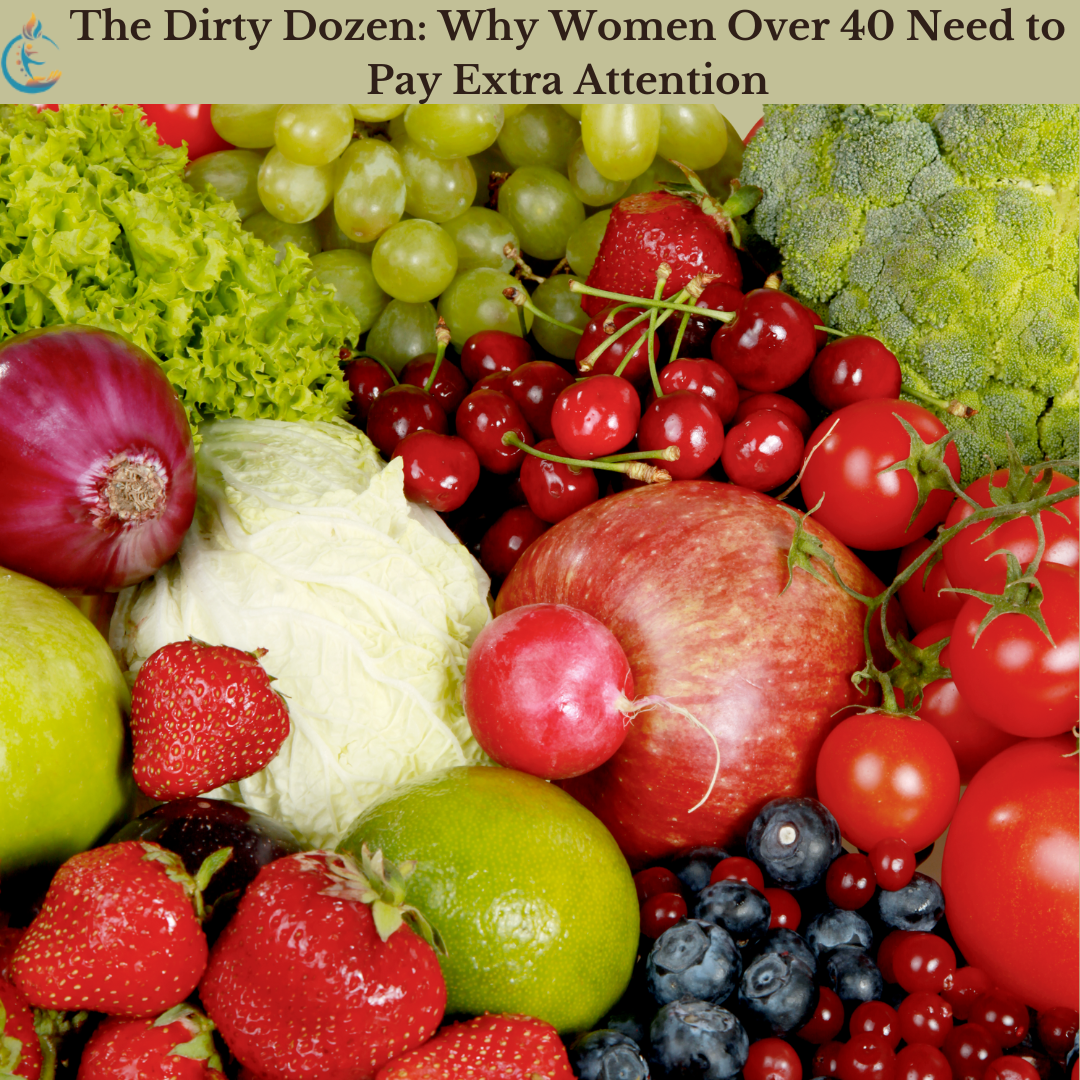
Every spring, the Environmental Working Group releases its famous “Dirty Dozen” list—the twelve fruits and vegetables with the highest pesticide residues. While this information matters for everyone, women over 40 face unique vulnerabilities that make understanding these exposures particularly crucial. As our bodies navigate hormonal shifts and metabolic changes, the impact of pesticide exposure takes on new significance.
Understanding the Dirty Dozen
The 2024 Dirty Dozen list includes familiar favorites: strawberries, spinach, peaches, apples, grapes, bell peppers, cherries, pears, tomatoes, celery, potatoes, and nectarines. These foods consistently show high levels of pesticide residues even after washing and, in some cases, peeling.
But here’s what the headlines don’t always mention: the testing finds residues from multiple pesticides on a single piece of produce. One strawberry sample contained residues from 23 different pesticides. This chemical cocktail effect raises concerns about cumulative exposure that go beyond any single pesticide’s safety profile.
Why 40+ Changes Everything
As women enter their forties, several biological shifts make pesticide exposure more concerning:
Hormonal transitions: Perimenopause begins for many women in their forties, bringing fluctuating estrogen and progesterone levels. Many pesticides act as endocrine disruptors, potentially intensifying hormonal imbalances. Organophosphates and organochlorines can mimic or block natural hormones, possibly worsening symptoms like hot flashes, mood swings, and irregular cycles.
Slower detoxification: Our liver’s detoxification capacity naturally declines with age. The same pesticide exposure that our bodies might have efficiently processed at 25 becomes a greater burden at 45. This slower clearance means chemicals linger longer, potentially causing more damage.
Bone health concerns: Post-40, women begin losing bone density more rapidly. Some pesticides, particularly organophosphates, have been linked to decreased bone mineral density. For women already facing increased osteoporosis risk, this additional factor deserves attention.
Weight management challenges: Metabolism naturally slows with age, and many women over 40 struggle with weight gain. Certain pesticides, dubbed “obesogens,” may disrupt metabolic function and promote fat storage. They can interfere with leptin and insulin signaling, making weight management even more challenging during midlife.
The Hidden Impact on Women’s Health
Research reveals concerning connections between pesticide exposure and health issues that disproportionately affect women over 40:
Breast cancer risk: Some pesticides act as xenoestrogens—foreign compounds that mimic estrogen in the body. For women over 40, who already face increasing breast cancer risk, additional estrogenic exposure from pesticides may compound concerns. Studies have found higher rates of breast cancer in agricultural areas with heavy pesticide use.
Thyroid disruption: The thyroid, crucial for metabolism and energy, becomes more vulnerable with age. Many pesticides can interfere with thyroid function, potentially worsening fatigue, brain fog, and weight gain—symptoms many women already battle during midlife.
Cognitive health: Women face higher Alzheimer’s risk than men, and emerging research suggests chronic pesticide exposure may contribute to cognitive decline. Organophosphate pesticides, originally developed as nerve agents, can affect neurotransmitter function even at low doses.
Autoimmune conditions: Women develop autoimmune conditions at much higher rates than men, often emerging or worsening after 40. Some pesticides may trigger or exacerbate autoimmune responses by disrupting immune system regulation.
Beyond the Dirty Dozen: The Broader Picture
While the Dirty Dozen gets attention, pesticide exposure extends beyond produce. Women over 40 should consider:
Wine and coffee: Two beverages many midlife women enjoy regularly. Conventional grapes for wine and coffee beans are often heavily sprayed. Choosing organic versions of your daily staples can significantly reduce exposure.
Grains and legumes: Glyphosate, commonly used on wheat, oats, and legumes as a desiccant before harvest, has been classified as a probable carcinogen. For women increasing whole grain intake for heart health, choosing organic becomes more important.
Dairy products: Pesticides accumulate in fat tissue, making conventional dairy a significant source of exposure. For women concerned about bone health who consume dairy regularly, organic options offer the same nutritional benefits without the chemical load.
Practical Strategies for Protection
Living pesticide-free isn’t realistic for most budgets, but smart choices can dramatically reduce exposure:
Prioritize organic purchases: Focus organic spending on the Dirty Dozen items you eat most frequently. If you eat strawberries daily but peaches rarely, prioritize accordingly.
Embrace the Clean Fifteen: These conventionally grown produce items show minimal pesticide residues: avocados, sweet corn, pineapple, onions, papaya, frozen sweet peas, asparagus, honeydew melon, kiwi, cabbage, mushrooms, mangoes, sweet potatoes, watermelon, and carrots.
Wash wisely: While washing doesn’t remove all pesticides, it helps. Soak produce in a baking soda solution (1 teaspoon per 2 cups of water) for 12-15 minutes, then rinse. This method removes more residues than water alone.
Peel when possible: Though you’ll lose some nutrients, peeling conventionally grown apples, peaches, and pears removes significant pesticide residues concentrated in the skin.
Grow your own: Even a small herb garden or container tomatoes give you pesticide-free produce. Gardening also provides stress relief and exercise—bonus benefits for midlife health.
Supporting Your Body’s Detoxification
For women over 40, supporting natural detoxification becomes crucial:
Increase fiber intake: Fiber binds to toxins in the digestive tract, helping eliminate them. Aim for 25-30 grams daily from varied sources.
Stay hydrated: Water helps flush toxins through kidneys and supports liver function. Add lemon for extra detoxification support.
Eat cruciferous vegetables: Broccoli, cauliflower, and Brussels sprouts contain compounds that support liver detoxification pathways. Choose organic when possible.
Sweat regularly: Whether through exercise or sauna use, sweating helps eliminate toxins through skin. This becomes especially important as other detoxification pathways slow with age.
Consider targeted supplements: Milk thistle, NAC (N-acetylcysteine), and glutathione support liver function. Consult with a healthcare provider familiar with environmental medicine.
The Bigger Picture for Midlife Women
Reducing pesticide exposure is just one piece of supporting health through midlife transitions. Combined with hormone balance support, stress management, and appropriate exercise, minimizing toxic exposures can help women navigate their forties and beyond with greater vitality.
Remember that small changes accumulate. You don’t need to overhaul your entire diet overnight. Start with the produce you eat most frequently, gradually expanding your organic choices as budget allows.
Empowerment Through Information
Knowledge truly is power when it comes to protecting your health. Understanding how pesticide exposure uniquely affects women over 40 empowers better choices. Whether you’re managing perimenopausal symptoms, supporting bone health, or simply aiming to age vibrantly, reducing pesticide exposure is a controllable factor in your health equation.
The conversation about pesticides and women’s health continues evolving as research reveals new connections. Stay informed, but don’t let fear overshadow the joy of nourishing your body with plenty of fruits and vegetables. With smart choices and practical strategies, you can minimize risks while maximizing the benefits of produce-rich eating.
Your forties and beyond can be a time of renewed health focus and self-care. By understanding and addressing environmental factors like pesticide exposure, you’re investing in not just immediate wellbeing but long-term vitality. The choices you make today shape your health tomorrow—choose wisely, but choose without fear.