
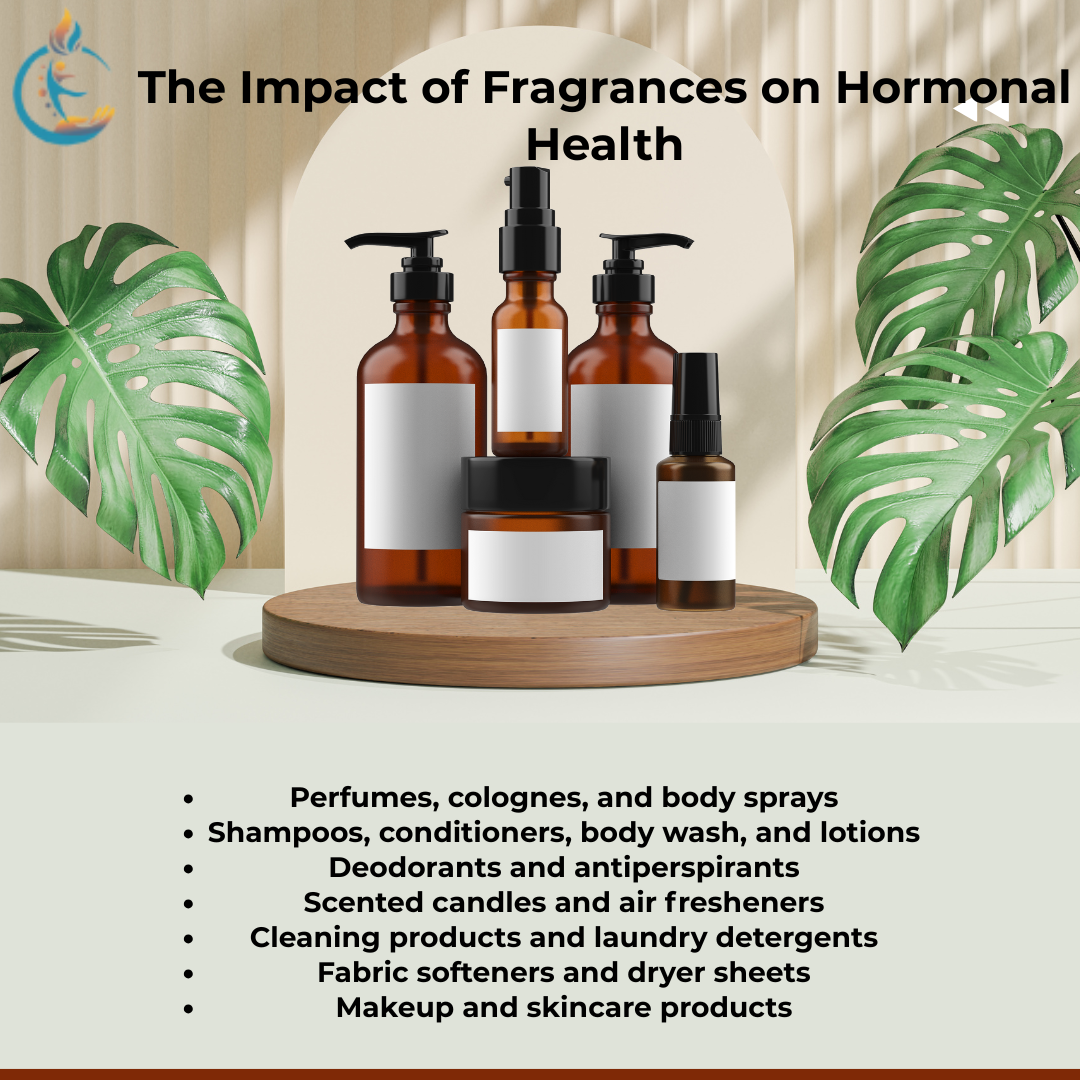
That morning spritz of perfume or cologne might be doing more than just making you smell good. The complex relationship between fragrances and our hormonal health is a story that unfolds at the molecular level, with implications that reach far beyond our bathroom counters.
The Hidden Chemistry in Your Fragrance Bottle
Modern fragrances are marvels of chemistry, often containing dozens or even hundreds of individual compounds. While the art of perfumery has ancient roots, today’s fragrances frequently rely on synthetic chemicals that can interact with our bodies in unexpected ways. The concern isn’t just about what we consciously spray on ourselves—fragrances permeate our daily lives through laundry detergents, air fresheners, cleaning products, and personal care items.
The term “fragrance” or “parfum” on a product label can legally represent a mixture of numerous chemicals, protected as trade secrets. This lack of transparency makes it challenging for consumers to know exactly what they’re exposing themselves to daily.
Understanding Endocrine Disruption
Our endocrine system is like a finely tuned orchestra, with hormones acting as the musicians playing in perfect harmony. When endocrine-disrupting chemicals (EDCs) enter the scene, they can throw off this delicate balance. These substances can mimic, block, or interfere with our natural hormones, potentially affecting everything from metabolism and reproduction to mood and development.
Several fragrance ingredients have been identified as potential endocrine disruptors. Phthalates, commonly used to make fragrances last longer, have been linked to reproductive issues and developmental concerns. Synthetic musks, which give fragrances their staying power, can accumulate in body fat and have been detected in human breast milk and blood samples.
The Hormonal Ripple Effect
The impact of fragrance chemicals on hormonal health can manifest in various ways. Research has suggested connections between certain fragrance compounds and:
Reproductive health challenges: Some studies have found associations between phthalate exposure and decreased fertility in both men and women. These chemicals may affect sperm quality, ovarian function, and pregnancy outcomes.
Thyroid function: The thyroid gland, crucial for metabolism and energy regulation, can be particularly sensitive to chemical disruption. Some fragrance ingredients may interfere with thyroid hormone production and function.
Developmental concerns: Exposure to endocrine disruptors during critical developmental windows—such as in utero or during puberty—may have lasting effects on hormonal health and development.
Metabolic disruption: Emerging research suggests that some fragrance chemicals might influence weight regulation and metabolic processes, though this area requires further study.
Navigating the Fragrant World Safely
Living fragrance-free isn’t realistic or necessary for everyone, but making informed choices can help minimize potential hormonal disruption:
Read labels carefully: Look for products that list all ingredients rather than just “fragrance” or “parfum.” Choose items labeled as phthalate-free when possible.
Opt for simplicity: Products with fewer ingredients generally mean fewer potential disruptors. Consider unscented versions of household and personal care products.
Embrace natural alternatives: Essential oils can provide scent without synthetic chemicals, though they should still be used mindfully as they can cause sensitivities in some people.
Improve ventilation: When using fragranced products, ensure good air circulation to minimize concentrated exposure.
Choose wisely: If you enjoy fragrances, consider using them sparingly and selecting products from companies that disclose their ingredients transparently.
The Bigger Picture
The conversation about fragrances and hormonal health is part of a larger discussion about the chemicals in our everyday environment. While individual exposure from any single product might be small, the cumulative effect of multiple exposures throughout the day—known as the “chemical body burden”—is what concerns many researchers.
It’s worth noting that regulatory frameworks vary globally, and what’s considered safe in one country might be restricted in another. The European Union, for instance, has banned certain fragrance ingredients that are still permitted elsewhere.
Moving Forward Mindfully
Understanding the potential impact of fragrances on hormonal health empowers us to make choices that align with our wellness goals. This doesn’t mean living in fear of every scented product, but rather approaching our fragrance use with awareness and intention.
Consider conducting a “fragrance audit” of your home and personal care routine. You might be surprised by how many products contain added fragrances. From there, you can make gradual changes that feel right for you and your family.
The science of endocrine disruption is still evolving, and researchers continue to uncover new connections between environmental chemicals and hormonal health. By staying informed and making conscious choices, we can enjoy the pleasures of scent while protecting our endocrine systems.
Remember, small changes can make a difference. Whether it’s switching to fragrance-free laundry detergent, choosing natural cleaning products, or simply using less perfume, every step toward reducing unnecessary chemical exposure is a step toward supporting your hormonal health.
Our bodies are remarkably resilient, but they also deserve our thoughtful care. By understanding the hidden connections between fragrances and hormones, we can make choices that support our health today and for years to come.
